
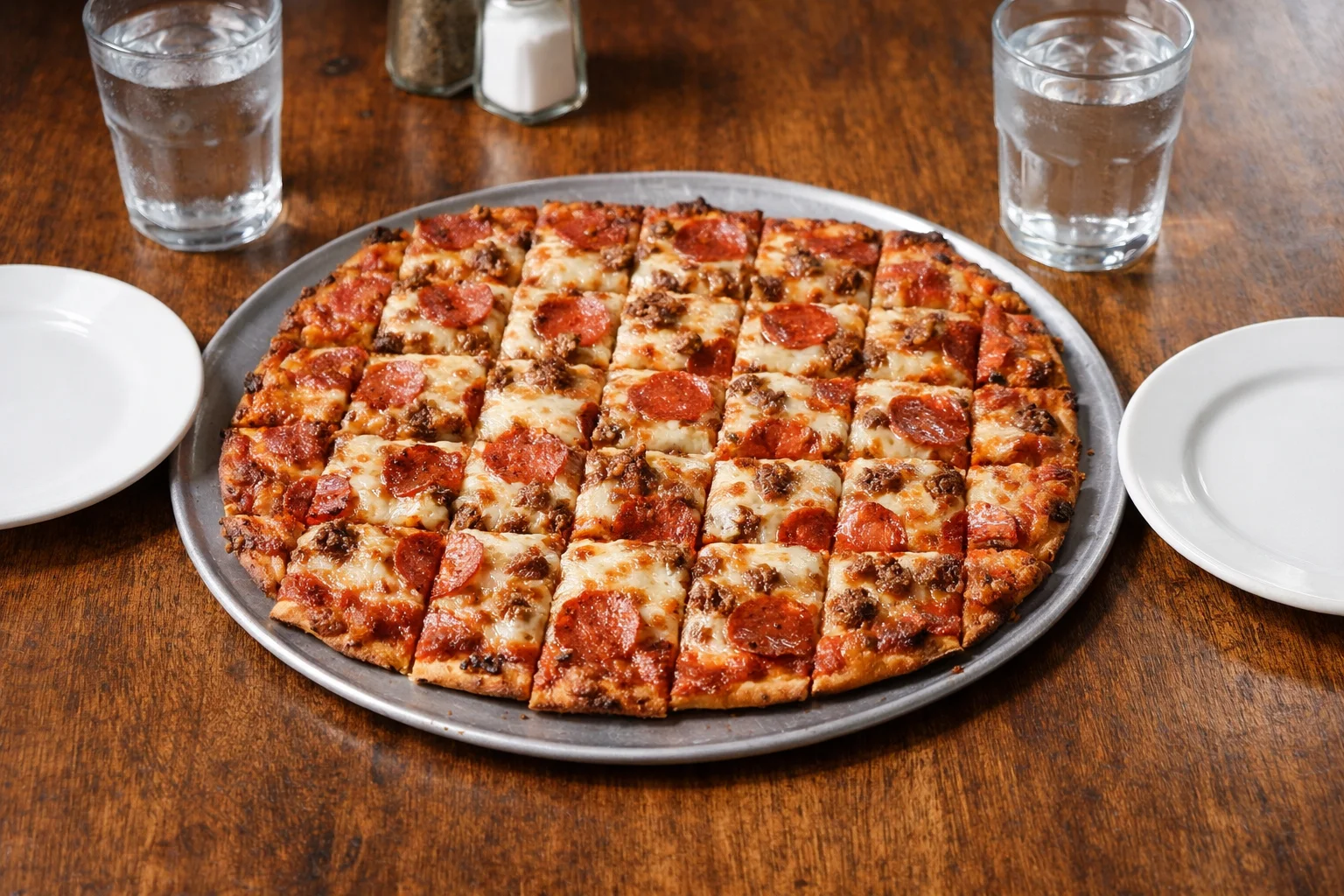
The quick answer
A useful city page helps you compare pizza options by source strength: official links, menus, hours, style evidence, practical filters, and correction paths.
It should not pretend to rank every place in town, fill unsupported fields just to look complete, or promise real-time certainty when a restaurant detail can change quickly.
The same trust rule used for individual cards is explained in how listings are checked: show what the public source supports, omit what it does not, and make corrections easy to review.
What a city page can safely tell you
A city page can be useful even when it is not complete. The first job is to show the places that have enough public information to help a reader take the next step.
Strong city-page fields include official websites, menus, order links, address and map context, style or format tags, service modes, and freshness notes. Practical claims such as patio, dog policy, accessibility, dietary options, and reservations need direct support before they belong in public copy.
Style filters work best when they point to source-backed language. The Neapolitan pizza guide shows how a style label can stay useful without becoming an unsupported quality claim.
| City-page field | Best source | How a reader should use it | When to treat it as incomplete |
|---|---|---|---|
| Included place | Official site, official profile, map listing, or another allowed public source | Use it as a starting point for nearby options | Only the name and address are known |
| Menu or order link | Official menu or official ordering path | Check formats, prices, pickup, and delivery paths | The link is missing, stale, or not branch-specific |
| Style tags | Official menu wording plus allowed source context | Understand what kind of pizza to expect | The signal comes only from photos or loose review language |
| Hours | Official site, order page, or allowed map source refreshed near publication | Plan the visit and verify trip-critical timing | The page marks hours as pending or source-needs-refresh |
| Practical claims | Official policy or direct source-backed detail | Check patio, dog, accessibility, dietary, parking, or reservation needs | No direct evidence exists |
| Correction path | Reader-supplied public source or broken-link report | Help improve the page without overwriting facts blindly | The tip cannot be checked |
What a city page should not pretend to know
A city page should not smuggle a best-of list into a neutral directory layout. Card order, filters, freshness, and source completeness can help you browse, but they are not taste scores.
It should also avoid copied third-party review language, reviewer names, third-party photos, guessed open-now claims, and practical details that the source trail does not support.
Source completeness checklist
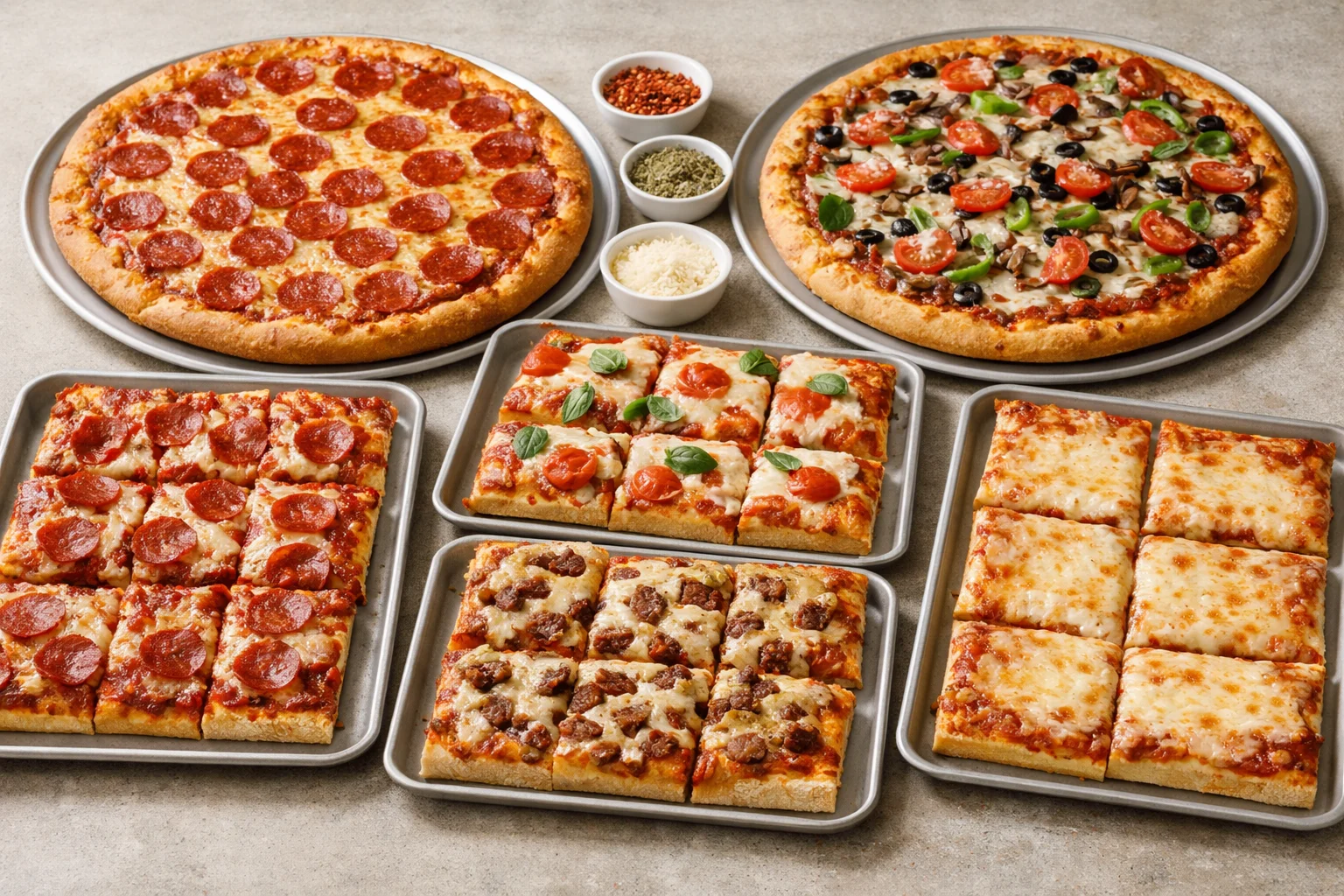
The best city pages make their own limits visible. A listing with an official menu, current address, and source-backed style tag is stronger than a listing that only has a map result.
That does not mean a thinner listing is useless. It means readers should understand which fields are ready to use and which fields still need better evidence.
Not a ranking: how to use the page anyway
Use a city page to narrow the choice by need: nearby options, pizza style, order link, source confidence, current menu support, and dining setup.
If a field matters for the trip, check the linked source before driving. If the page is thin, treat it as a starting point and send a source-backed correction when you find something better.
If you are choosing by format, a style guide such as the tavern-style pizza guide can help you understand what the field is trying to describe.
How corrections make city pages better
City pages age quickly because restaurants change hours, ordering partners, dining setups, and menus. A good correction loop lets readers help without letting unchecked suggestions rewrite public facts.
The most useful correction names the place, the field, and the public source. Broken links, changed menus, and changed hours are valuable tips when they are specific enough to review.
Firsthand observations can be helpful context, but they do not automatically become public facts. If a source cannot be checked, the safer path is review, omission, or a future-source note.
For the same reason, the listing process favors narrow, checkable corrections over broad praise or complaints. See how Peace Love and Pizzas checks a listing for the card-level version of the same rule.
Final takeaway
A city page is useful when it helps you choose without pretending to know more than its sources show. Strong links, clear omissions, and correction paths matter more than making every card look full.
Use the page as a starting point, verify trip-critical details through the linked source, and treat blanks as honest safety signals. The best correction is specific, public, and easy for another person to check.
Editorial note
This article explains Peace Love and Pizzas city-page standards. It is not a ranking, not a restaurant review, and not a claim that every city-page field is complete. Restaurant-specific facts still need their own public source support.
FAQ
Why are some city pages thin at first?
Because the page only shows what current public sources support. A thin page is better than a padded page full of unsupported fields.
Does the first listing mean it is the best pizza place in town?
No. Card order, layout, and filters are not review scores. Use source completeness, style evidence, and practical links to decide what to check next.
Why are fields like dog policy or accessibility blank?
Those details need direct source support because they affect real visits. If the evidence is not strong enough, the safer public choice is to omit the field.
How can I suggest a correction?
Send the place name, the field that changed, and a public source link or broken-link note so the correction can be checked before public display.