The quick answer
Neapolitan pizza is a small, round, high-heat pizza built around a soft airy rim, a tender center, and a short ingredient list. A classic margherita or marinara tells you more than a long topping catalog does.
For a reader, the useful question is not whether every pie follows a formal rulebook. The useful question is what the restaurant itself claims and what public menu evidence supports: dough style, oven language, cheese and tomato language, serving size, and whether the shop says Neapolitan, Neapolitan-inspired, or something more specific.
Peace Love and Pizzas treats style tags as source-backed listing fields, not decoration. The same standard used in the listing-check process applies here: show what the source supports, omit what it does not, and do not turn loose menu vibes into a stronger claim.
What the pizza usually looks like
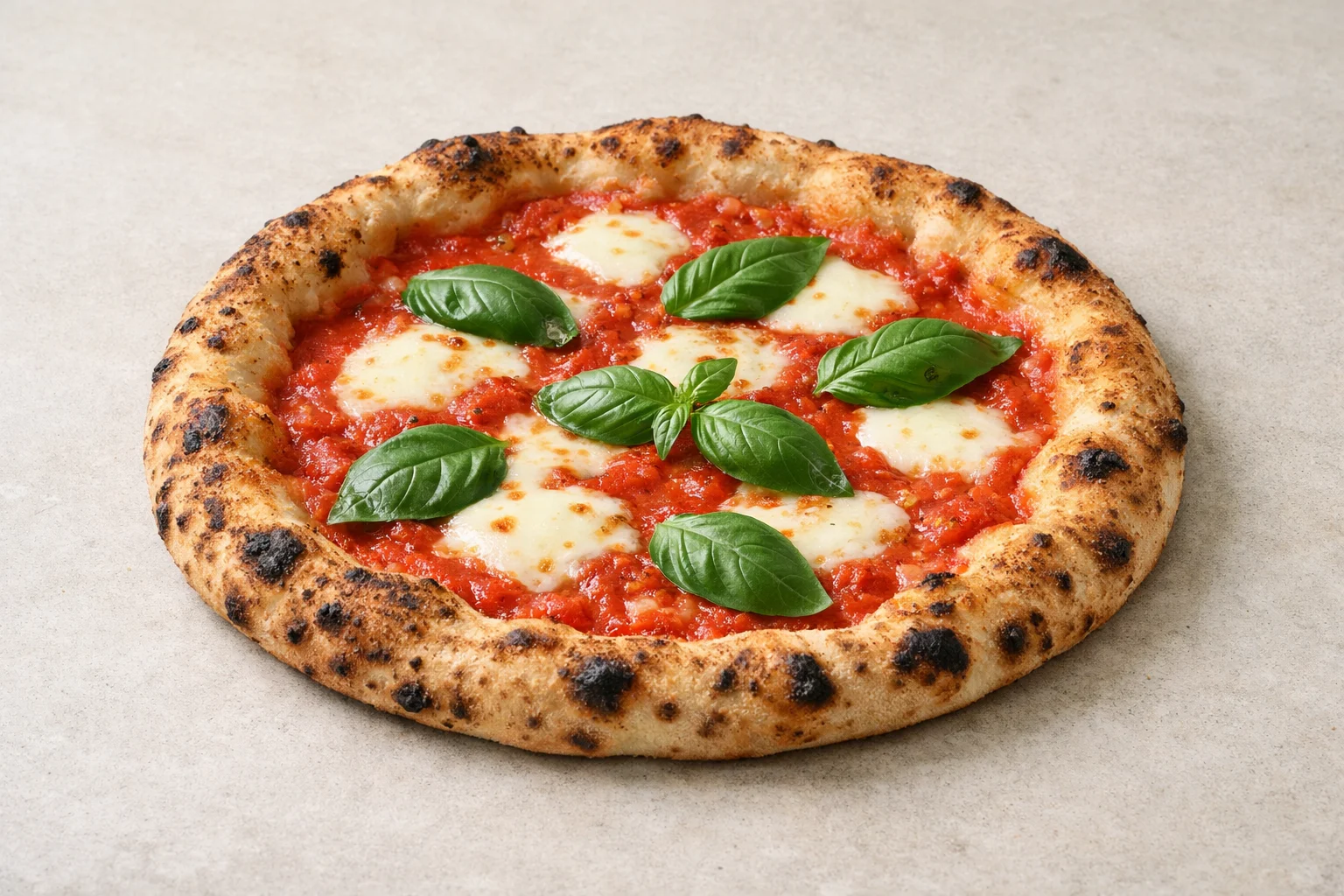
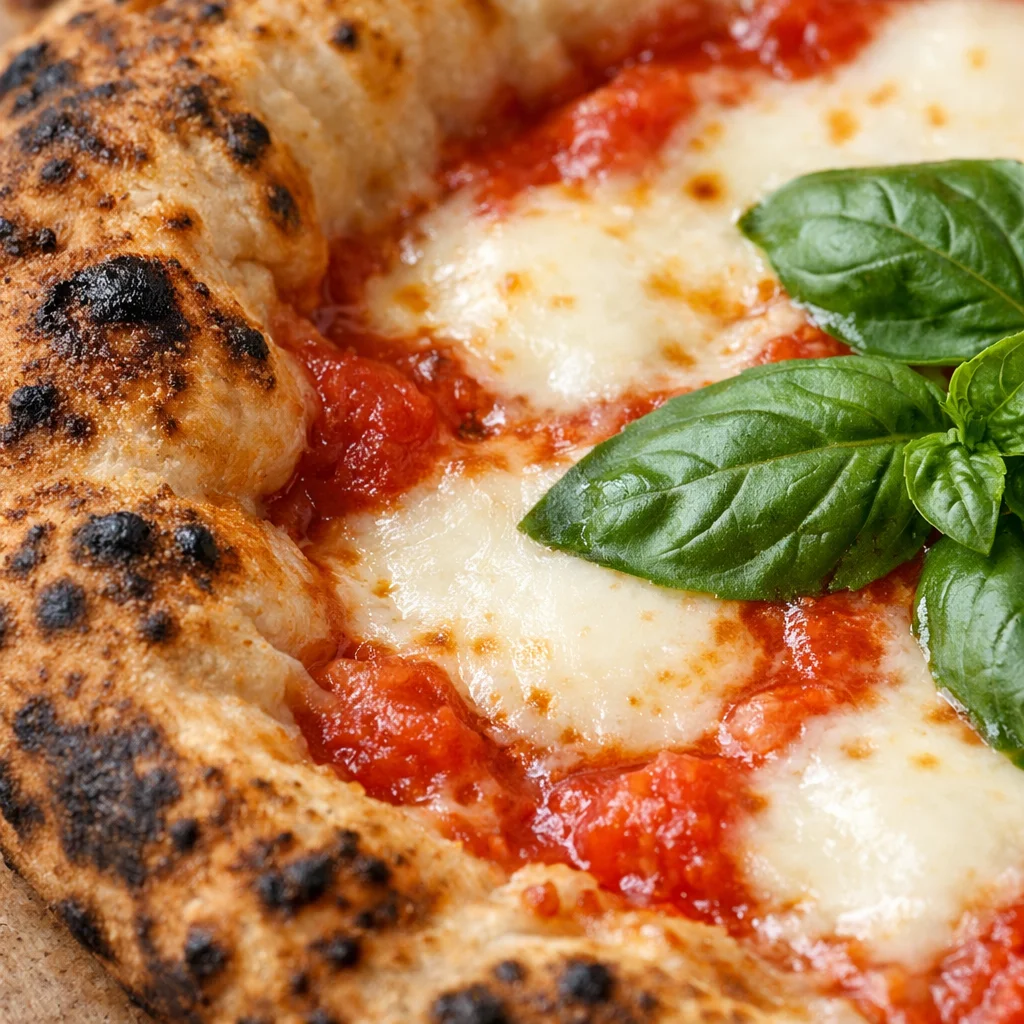
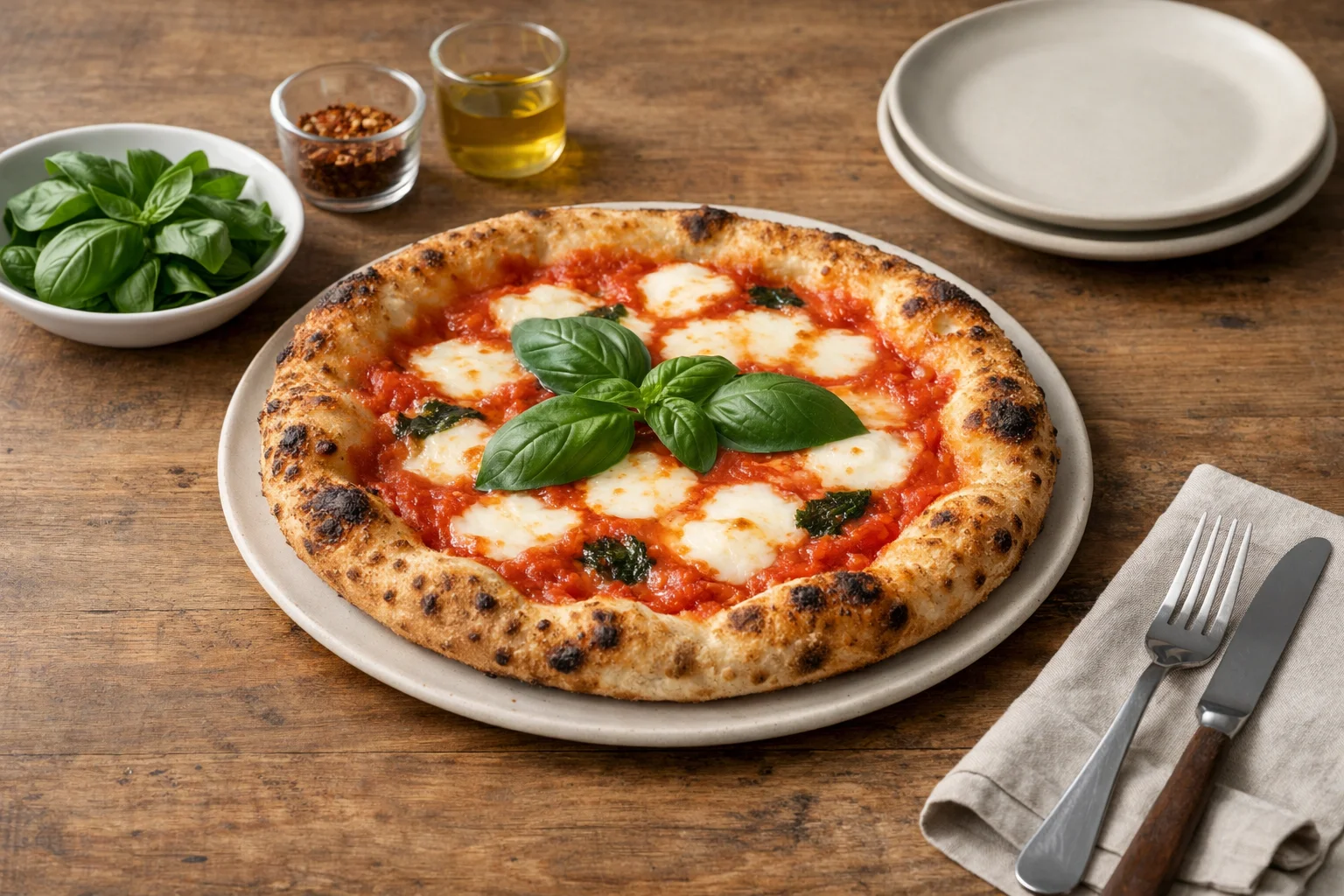
The most recognizable Neapolitan shape is a personal-size round pie with a raised outer rim. The rim should look inflated rather than flat, often with dark spotting from a fast high-heat bake. The center is usually softer and wetter than a New York slice or a tavern-style square.
That soft center matters because it changes expectations. Someone looking for a crisp foldable slice may be happier with New York style. Someone looking for a cracker-thin shareable pie may want tavern style. Neapolitan is usually about a fast, hot, tender pizza eaten soon after it leaves the oven.
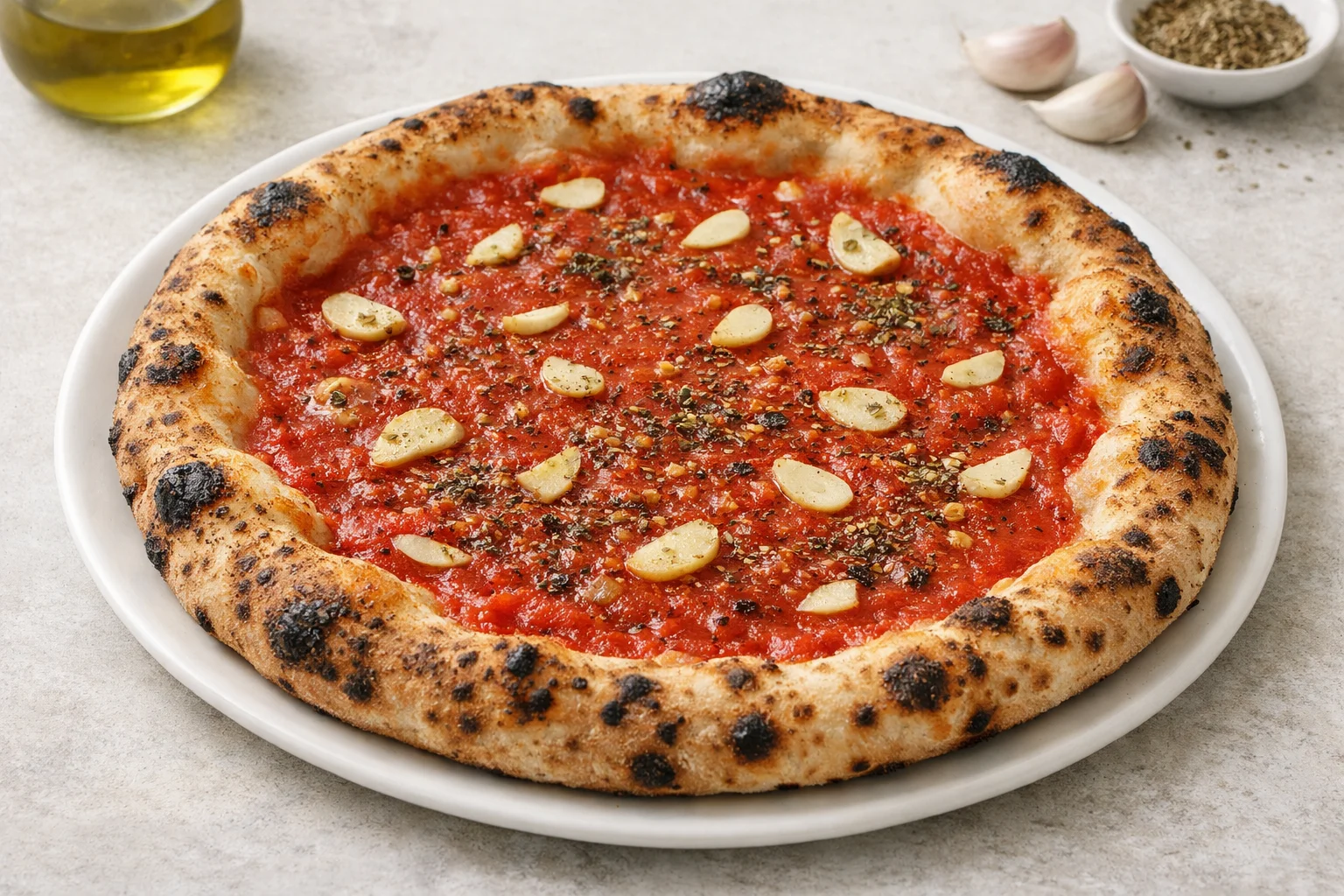
Classic menu anchors are margherita and marinara. Margherita usually points to tomato, mozzarella, basil, olive oil, and a relatively restrained build. Marinara usually points to tomato, garlic, oregano, and no cheese. A menu can go beyond those pizzas, but those two names often reveal whether the restaurant is working from the Neapolitan family.
If the menu says thin and square-cut instead, compare it with the tavern-style guide before assigning a Neapolitan tag.
Menu words that help
Strong style evidence usually comes from the restaurant's own words: Neapolitan, Neapolitan-inspired, wood-fired Neapolitan, VPN-certified, margherita, marinara, fior di latte, mozzarella di bufala, San Marzano tomatoes, or a stated high-temperature oven. These are signals, not automatic proof by themselves.
The strongest public card language is conservative. If the restaurant says Neapolitan-inspired, the card should not upgrade that to certified Neapolitan. If the restaurant says wood-fired but never says Neapolitan, the card can show wood-fired oven evidence while leaving the exact style tag off or routing it for manual review.
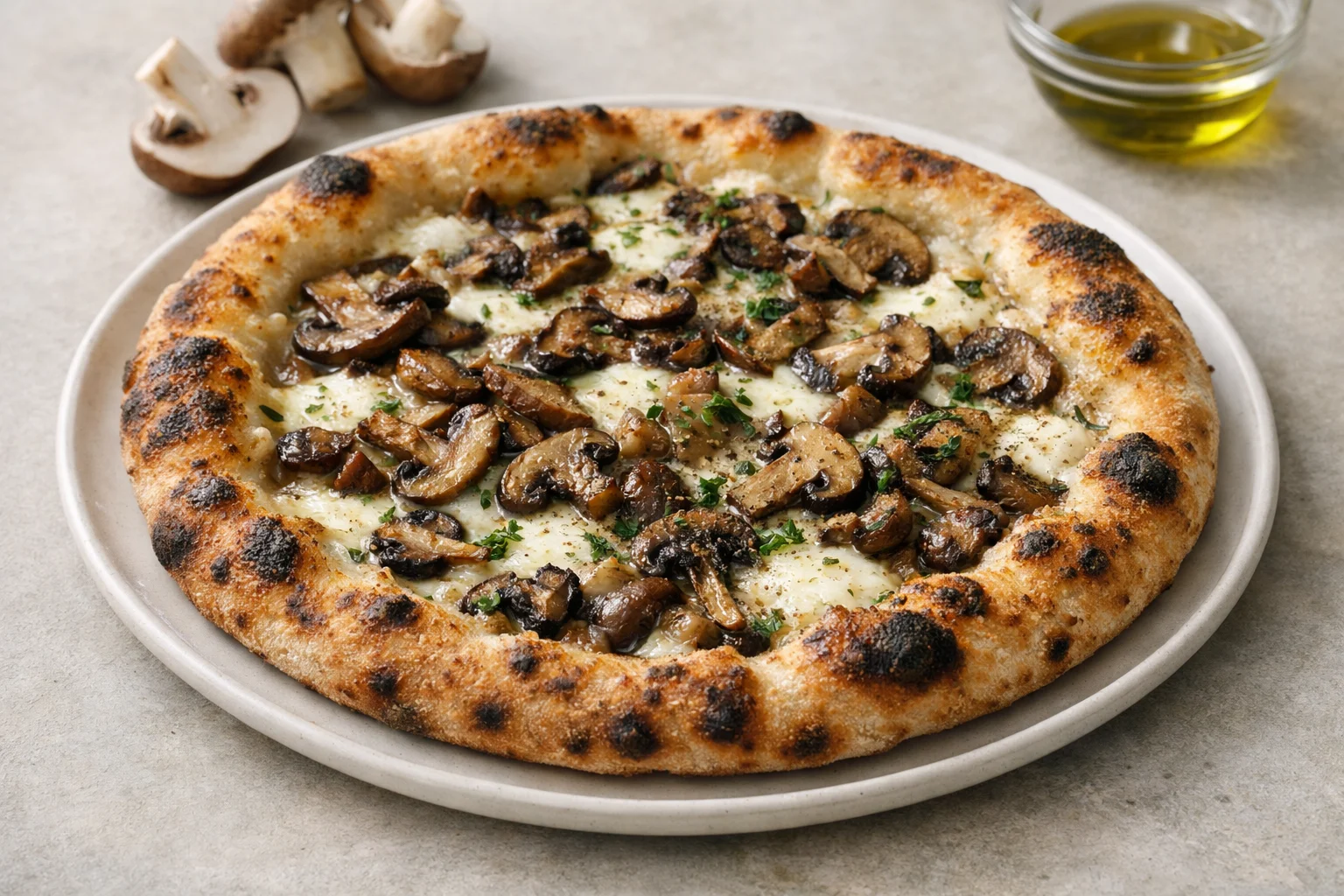
Photos can help a human editor understand the format, but they should not replace public source text. A photo of a puffy rim is useful context; an official menu or restaurant description is better evidence for a published style field.
How it compares with other styles
Neapolitan, New York, Detroit, and tavern-style pizzas solve different problems for a reader. Neapolitan is usually a personal round pie with a tender center. New York is usually a larger, foldable slice or pie. Detroit is rectangular, pan-baked, and edge-focused. Tavern style is thin, round, square-cut, and built for sharing.
These distinctions help a listing stay useful. A person choosing dinner does not need every pizza to be praised the same way. They need the card to answer what format they are likely to get, how it is cut, whether it is a slice or whole-pie situation, and what the restaurant says about its own style.
Neapolitan-inspired places can sit in the same family without being identical. Some American restaurants use local flour, different ovens, larger pies, or broader topping sets while still keeping the soft rim and high-heat personal-pie idea. The card should reflect that nuance instead of forcing a yes-or-no label.
| Style | Usual format | Menu/card signals | Reader expectation |
|---|---|---|---|
| Neapolitan | Small round pie with airy rim and tender center | Margherita, marinara, fior di latte, bufala, wood-fired or high-heat language | Best eaten fresh; softer center is normal |
| New York | Large round pie or foldable slices | Slice shop, large pie sizes, foldable slices, gas or deck oven language | Handheld slice, more structure through the center |
| Detroit | Rectangular pan pizza with crisp cheese edge | Detroit, pan, brick cheese, rectangular tray, corner pieces | Thicker base and crunchy edge |
| Tavern | Thin round pie cut into small squares | Tavern, Chicago thin, party cut, square cut | Crisp shared table pie, not a soft personal pie |
Certification is a separate field
Some restaurants pursue formal style certification, and many excellent places do not. Certification is not a taste score and it is not required for a useful listing. It is a separate factual field that needs direct support.
A card can say Neapolitan-inspired from restaurant language, show wood-fired oven evidence, list margherita and marinara as signature pies, and still leave certification blank. That is better than implying a credential the restaurant did not claim.
The same rule applies in reverse. If a source does support certification, the card should show the credential clearly and separately so readers can distinguish style, oven, menu, and certification.
What a good listing can show
A source-backed card can show the primary style, oven type, signature pies, ordering links, menu source, dining setup, price tier, and practical notes such as pickup, patio, parking, and accessibility. Those fields help readers choose without needing the card to sound like a review.
The best overview paragraph is written last. It should summarize what the structured fields already prove: the restaurant's own style language, the menu format, practical ordering details, and any source-backed context that helps a reader understand the place.
What the listing should not do is paste third-party review language, quote reviewers, imply in-person reporting that did not happen, or turn a high-level style signal into a claim about quality. A careful card is allowed to be useful without pretending to know more than its sources show.
That is also why city pages should be built from source-backed cards instead of thin summaries. The standard described in How a City Page Becomes Useful is the same standard a Neapolitan-style tag should follow.
Final takeaway
Neapolitan pizza is easiest to recognize when the restaurant gives you several matching signals: personal round pie, airy rim, tender center, margherita or marinara anchors, and high-heat oven language. One signal alone is not enough for a strong public card claim.
For Peace Love and Pizzas, the right label is the source-backed label. Use Neapolitan when the restaurant supports it directly, use Neapolitan-inspired when that is the honest wording, and keep certification, oven type, and menu evidence in their own fields.
Editorial note
This explainer is general editorial guidance. Individual listing claims still need their own source support.
FAQ
Is every wood-fired pizza Neapolitan?
No. Oven type helps describe the bake, but style also depends on dough, format, toppings, and how the restaurant presents the pizza.
Can a place be Neapolitan-inspired without certification?
Yes. The listing should use the restaurant's own wording and keep formal certification separate.