
The quick answer
A useful listing starts with facts a reader can act on: the place name, location, official links, menu or ordering path, phone number, hours, pizza style, price clues, and practical visit notes.
Peace Love and Pizzas publishes the strongest supported version of those facts. When the evidence is weak, the safer move is to omit the field, route it for review, or show only the part that the public source actually supports.
The same rule applies when the site builds city pages. A useful city guide should be made from source-backed cards, not thin summaries, as explained in How a City Page Becomes Useful.
Start with durable facts
Durable facts are details that should not depend on a single person's taste: the business name, address, official website, official menu, order link, phone number, and the basic format of the pizza. Those are the first fields a listing needs before it tries to be more descriptive.
A stronger card can add price tier, style tags, dining setup, parking, accessibility, dog policy, patio notes, dietary notes, and review-source metadata. Those fields are useful, but they need better evidence because they can change quickly or be easy to misunderstand.
The goal is not to make every card look full on day one. The goal is to make every visible field worth trusting.
Use the evidence ladder
Different sources answer different questions. An official menu is strong evidence for menu items and prices. A map listing can support address, phone, and open-state clues. A review platform can be linked as a source page, but its review text should not become public card copy.
The evidence ladder helps the site decide whether a field is ready for the public card, should stay blank, or needs manual review.
| Source | Good for | Use carefully | Do not treat as |
|---|---|---|---|
| Official website | Business identity, address, owned links, policy language, current announcements | Hours and special pages can lag behind reality | A review score or independent quality claim |
| Official menu or ordering link | Items, prices, formats, modifiers, pickup or delivery paths | Third-party delivery pages may add fees or stale inventory | A complete guarantee that every item is always available |
| Map listing | Address, phone, open-state clues, category, public map link | Hours and status still need refresh attention | A full source for patio, dog, dietary, or accessibility claims |
| Active social profile | Recent announcements, closures, specials, event context | Posts can be temporary and need manual judgment | A durable public-card field by itself |
| Reader correction | A pointer to a changed field and a source to inspect | Needs review before public display | An automatic update |
| Third-party review platform | A public link or rating-source metadata when policy allows | Scores need threshold and cache rules | Copy for reviewer quotes, names, snippets, or tasting claims |
What sources can and cannot prove
A source can support a narrow field without supporting a stronger story. If an official menu lists margherita, marinara, and wood-fired language, that can help a style field. It still does not prove certification, quality, or a review-style description unless another source supports those exact facts.
Map listings are useful for practical routing, but they are not enough for claims such as dog-friendly patio, wheelchair access, gluten-free handling, or house-made ingredients. Those fields should be omitted or held until a stronger source exists.
Review platforms are handled conservatively. The site can link to allowed source pages and may summarize broad themes in original language after review, but it should not copy review text, reviewer names, snippets, or third-party photos.
That is why a style guide such as Neapolitan Pizza: What to Look For separates restaurant-supported style claims from weaker visual or menu hints.
A useful correction tip
A correction is most useful when it can be checked by someone who was not part of the original report. The best tip is specific, points to a public source when possible, and explains what changed.
If the correction is firsthand but not publicly sourced, it can still be useful. It should be routed for manual review instead of quietly overwriting the public card.
What stays off the public card
A clean public card is allowed to be incomplete. It is better to omit a field than to show a confident-looking claim that is not supported.
Some details should stay out of public copy until they have a stronger source or an owner/manual decision. That includes private reviewer notes, internal blockers, draft-review statuses, and anything from a noindex owner-review surface.
Final takeaway
A listing is ready for public use when its visible fields are specific, sourced, and easy to correct. It does not need to answer every possible question, and it should not pretend that a weak field is stronger than it is.
The practical standard is simple: publish what the sources support, omit what they do not, and make the next correction easier for the reader and the moderator.
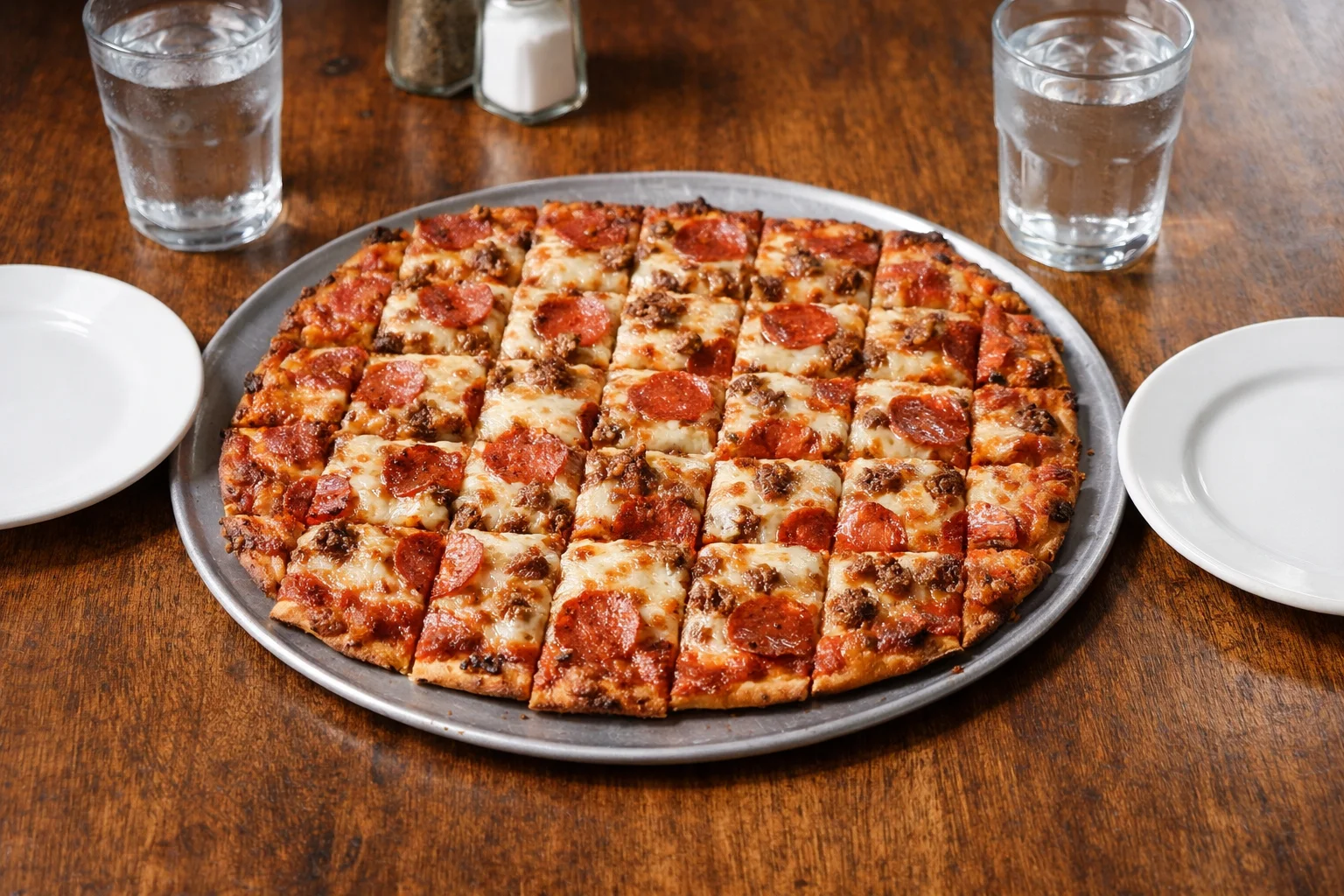
The style-specific articles follow the same rule. For example, Tavern Style Pizza: Thin, Square, Crunchy explains format signals without turning them into unsourced restaurant claims.
Editorial note
This process note describes Peace Love and Pizzas editorial policy. It is not a review of any restaurant, and it does not publish private review-preview data.
FAQ
What makes a listing detail ready for public display?
A detail is ready when it is specific, supported by an allowed public source or approved manual decision, and safe to show without exposing private review notes or unsupported claims.
Does the site copy review text?
No. The directory may link to allowed review platforms or store policy-compliant rating metadata, but public pages should not copy third-party review text, reviewer names, snippets, or third-party photos.
What happens when a useful field does not have enough evidence?
The field can be omitted, routed for manual review, or held for future source evidence. A blank field is better than a confident unsupported claim.